Leading Across Borders
Coming Soon! The Cultural Intelligence (CQ) Blueprint
About the Book
Discover practical leadership strategies to navigate diverse cultures, build high-performing global teams, and lead with confidence in an interconnected world. Leading Across Borders equips modern leaders with the tools to lead effectively across cultures and complexity.
Useful Insight
Gain a strategic edge through actionable insights on leadership, communication, and Cultural Intelligence grounded in real-world executive experience and designed to help you lead diverse teams, navigate complexity, and drive results across global environments.
When I published Quarterback: An Immigrant’s Guide to Corporate North America in June 2025, I wrote it for professionals navigating unfamiliar corporate systems while building careers across cultures and borders.
The message travelled far beyond North America. Quarterback became an Amazon Canada #1 bestseller in Career Advancement and Professional Development, remaining #1 for 99 consecutive days. More importantly, readers around the world shared how the experiences and strategies in the book reflected their own journeys and helped them see their differences not as disadvantages, but as strengths they could learn to leverage.
But as I continued engaging with professionals and leaders globally, a deeper pattern became clear.
Adaptation cannot be a one-way responsibility.
We spend a great deal of time teaching professionals how to adapt: how to understand workplace norms, communicate effectively, build influence, navigate unfamiliar systems and position themselves for success.
But what about the leaders responsible for leading them?
Today’s workforce is more multicultural, multigenerational and technologically enabled than ever. Leaders are increasingly responsible for teams that span cultures, countries, generations and different ways of working, while AI is rapidly changing how people communicate, collaborate and create value.
Yet our approaches to leadership have not always evolved at the same pace.
An individual can learn the culture, understand the unwritten rules and do everything possible to adapt, but still struggle to reach their full potential if the environment around them does not know how to recognize, develop and lead across difference.
And difference is not only about nationality or geography.
It can be cultural. It can be generational. It can come from different lived experiences, communication styles, expectations of leadership and relationships with technology.
Consider the generational shift already happening in our workplaces. A Gen Z professional entering an AI-enabled workforce may have very different expectations around communication, feedback, flexibility, technology and career progression than the millennial, Gen X or Baby Boomer leader managing them.
Neither perspective is inherently wrong.
The leadership challenge is learning how to bridge them.
That realization became the structural counterpart to Quarterback.
Quarterback asks:
How do professionals successfully navigate across borders?
Leading Across Borders asks:
How do leaders lead effectively across them?
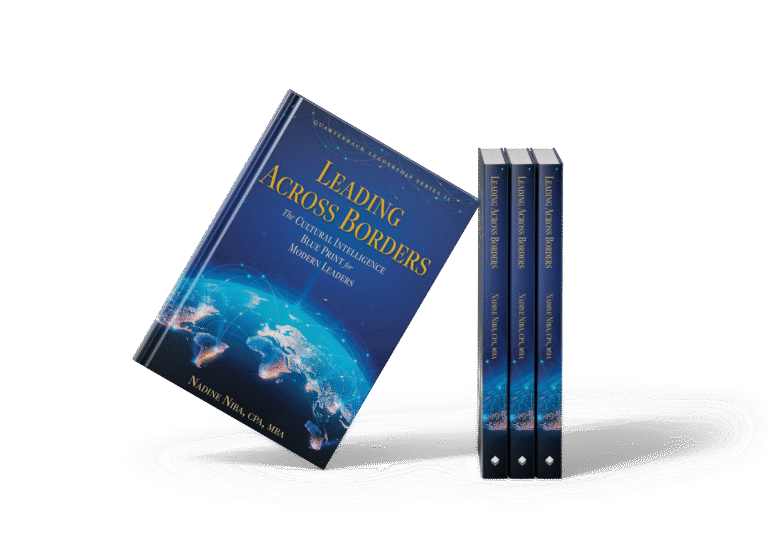
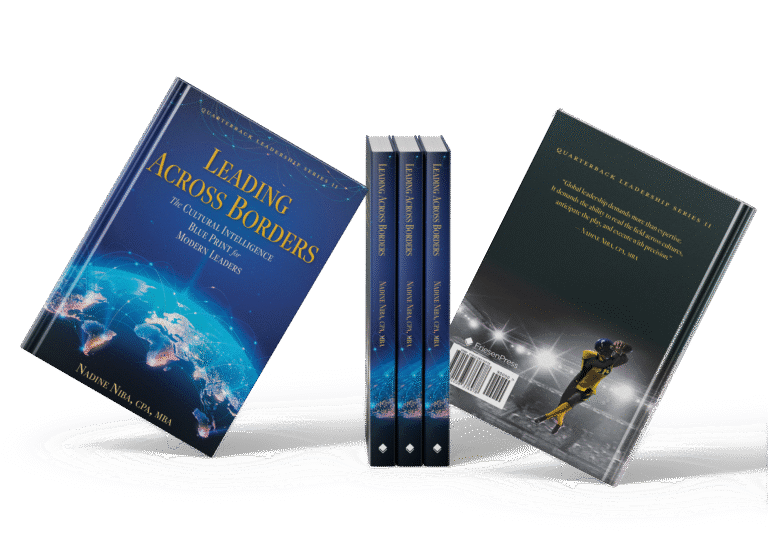
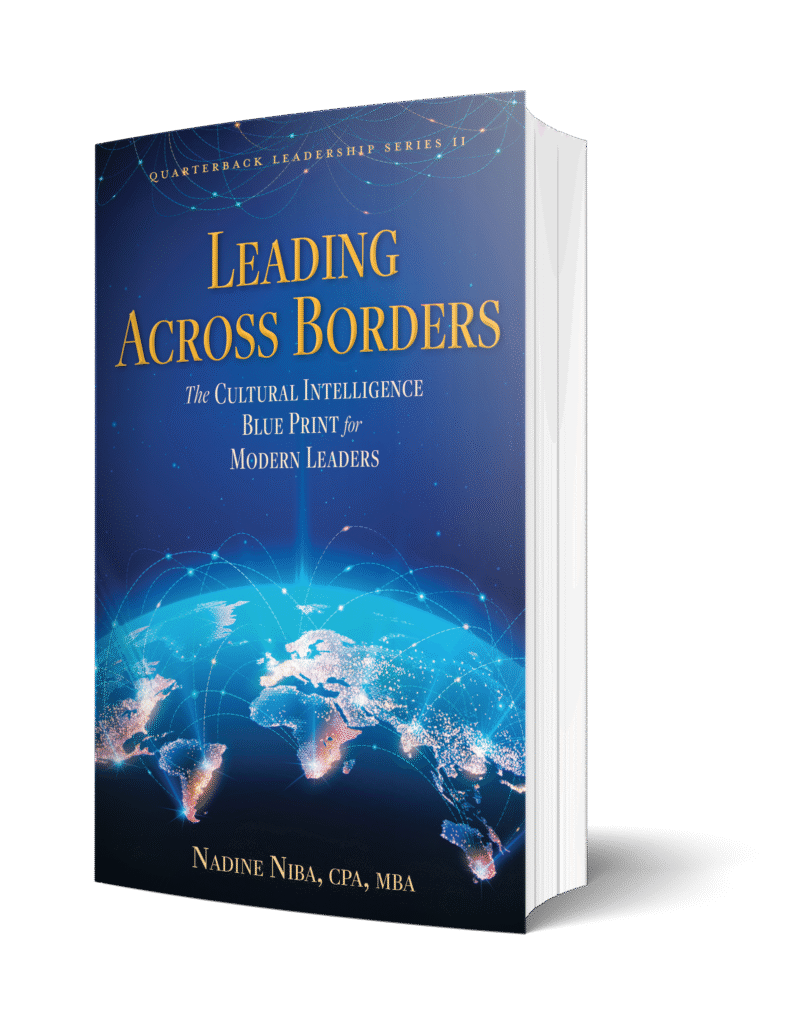
Leading Across Borders: The Cultural Intelligence Blueprint for Modern Leaders was born from that question.
The book equips leaders with the awareness, frameworks and practical tools to lead across cultures, differences and generations, strengthen trust, improve collaboration and build high-performing teams in an increasingly global and AI-enabled workforce.
Because the future of leadership cannot be built on expecting everyone to think, communicate, contribute or work in exactly the same way.
It requires leaders who can understand difference without being divided by it, adapt without compromising organizational objectives, and create environments where people can contribute at their highest potential.
That is the leadership capability I believe will become increasingly important as our workplaces continue to evolve.
Cultural intelligence is no longer simply about leading across countries. It is about leading across the differences that define the modern workforce.
And that is why I wrote Leading Across Borders.